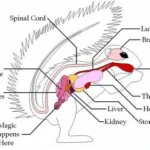
What is Ethical Hunting? The Principles and Practices – Ethical hunting is a philosophy and set of practices often referred to as Fair Chase. It moves beyond simply following the law to focus on the hunter’s personal responsibility toward the animal, the environment, and other people.
Ethical standards can vary slightly by region and culture, but the underlying theme is always restraint. Some of the ethical hunting is not applicable for pesting, and it’s for good reason:
- Pests usually hide in confined spaces, so we don’t have a choice but to hunt them in their nest.
- We don’t usually consume pests as food.
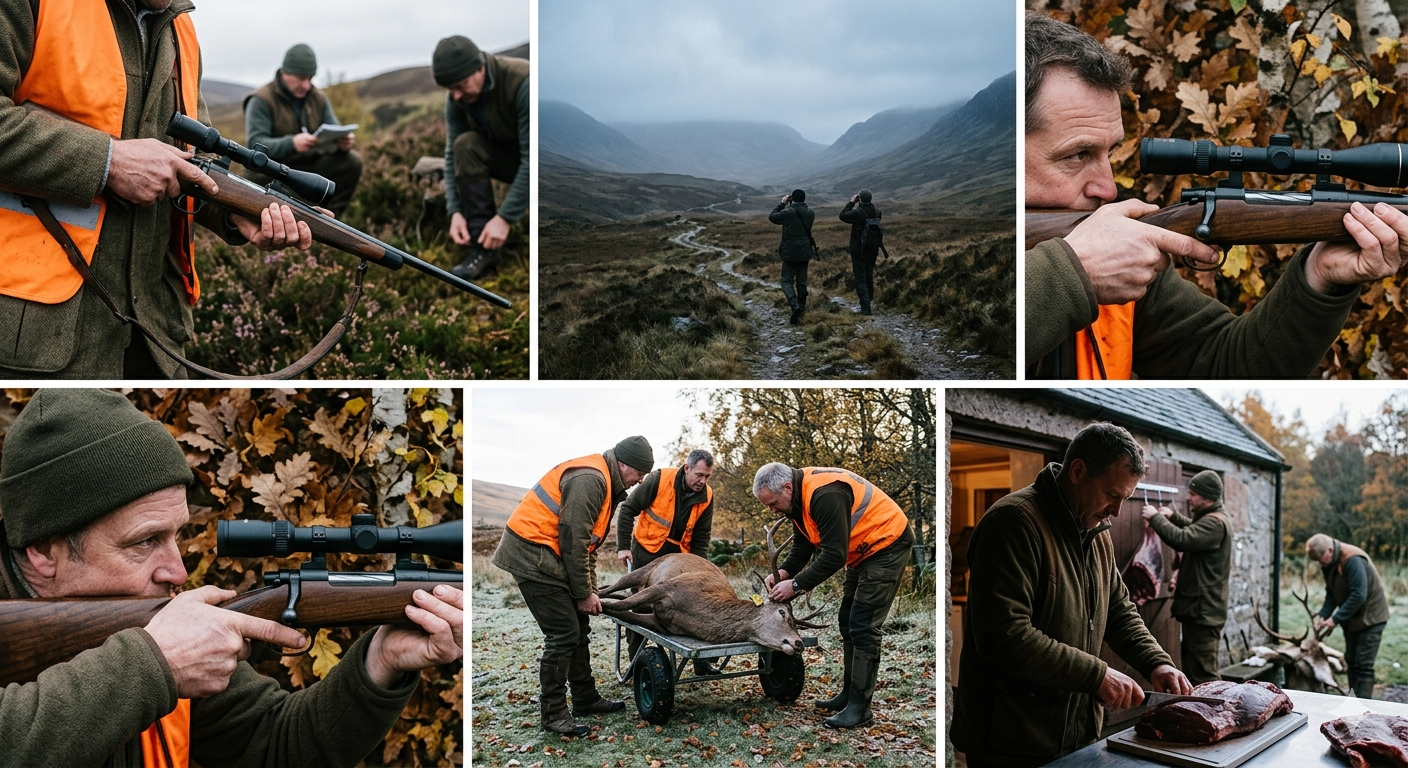
The ethical hunting consists of four main pillars:
The Principle of Fair Chase
Fair chase is the idea that the hunter should not have an unfair advantage over the animal. This means the animal must have a legitimate chance to escape. Ethical hunters typically avoid hunting in “canned” environments (fenced-in areas where animals cannot flee). This will make hunting too easy and unfair for the animal.
Respect for the Animal
This is often considered the most critical component. It involves ensuring the animal suffers as little as possible.
The Clean Kill
A hunter has an ethical duty to be highly proficient with their equipment. This means taking shots only within their effective range to ensure a quick, humane death.
Utilization
Ethical hunting usually dictates that the harvested animal is used. In many cultures, this means processing the meat for consumption and using as much of the animal (hides, bones) as possible, rather than hunting solely for a trophy.
Wounded Game
If an animal is wounded but not killed, the ethical hunter will exhaust every effort to track and find it, prioritizing the animal’s dispatch over continuing the hunt for a new target.
Conservation and Ecology
Ethical hunters view themselves as stewards of the land. They hunt specific species to prevent overpopulation, which can lead to disease and habitat destruction. Hunter also contributes to the maintenance of the ecosystems that support wildlife.
Hunter must also ensure that they only take animals that are in season, of the correct sex, and of a sustainable age.
Respect for Laws and Others
Legal hunting and ethical hunting are not always the same, but an ethical hunter always follows the law as a baseline.
Property Rights
Always seeking permission before entering private land.
Safety
Prioritizing the safety of other humans in the area by being certain of their target and what lies beyond it.
Image of Hunting
Behaving in a way that respects the sensibilities of the non-hunting public, such as being discreet when transporting harvested game.
Enjoy Ethical Hunting and stay awesome. 🙂